

AI in Defence: Advantage or Dependency?
Artificial Intelligence (AI) is reshaping the character of modern warfare. No longer confined to logistics or surveillance, AI is influential across operation planning, intelligence analysis and even frontline decision-making. Recent developments, ranging from UK-backed initiatives in Ukraine to new battlefield medical trials, demonstrate the pace of innovation and the growing strategic importance of AI. For governments and defence organisations, the question it not whether to adopt AI, but how it can be effectively used to enhance resilience and long-term security.

Beyond the Physical: Why Intelligence Sharing Is Central to Modern Defence
When people think about defence, they tend to picture the physical capability first: ships at sea, aircraft in the air and vehicles on the ground. These are important, but modern defence also relies on intelligence - understanding potential threats, intent and context before decisions are made. In an increasingly complex and uncertain world, intelligence is not a supporting function of defence but a core part.

Why Defence Matters: The Importance of Defence to the UK Economy
When people think about defence, they usually think about national security first - but Defence plays a much broader role in the UK economy than is often recognised. Beyond protecting the country, it supports skilled jobs, drives innovation and strengthens the wider economy. For small and medium business like ours, defence isn't an abstract policy area: it supports communities, careers and long-term growth.
Small Businesses, Big Impact: SMEs in UK Defence
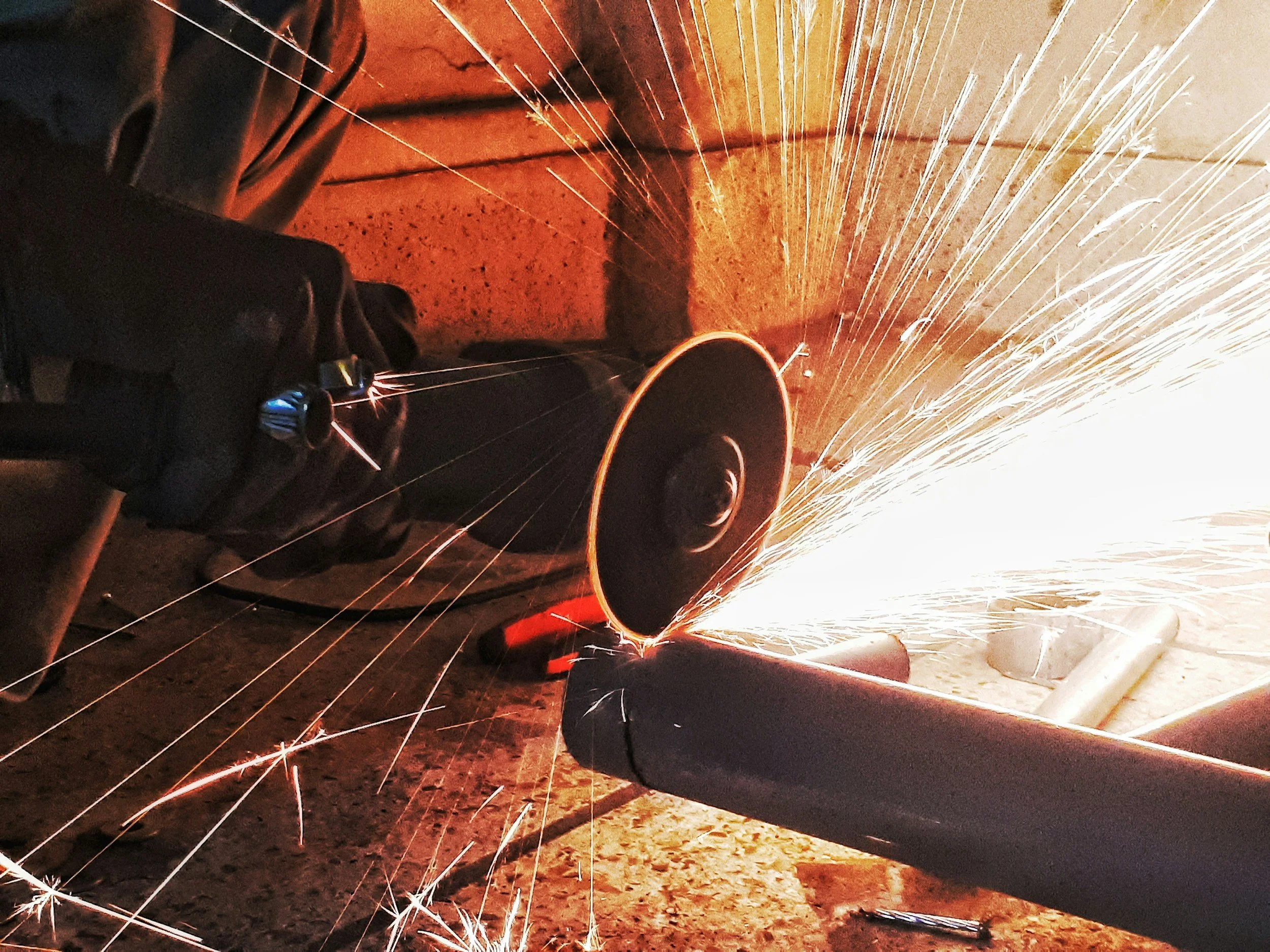
Small and Medium Enterprises (SMEs) are playing an increasingly important role in the UK’s defence sector. This is driven by their agility, innovation potential, and deep expertise across a wide range of technologies and services. As defence spending ramps up following the Strategic Defence Review - marking the largest sustained increase since the Cold War - SMEs are being positioned as key contributors to national security and industrial resilience. The review calls for a 'whole-of-society' approach to defence, and SMEs are critical.

Social Value in Procurement: What's Changed?
Social value usually makes up around 10% of evaluation scores in government procurement. While it won’t decide every outcome on its own, it can be a cost effective way to gain marks - and suppliers who ignore it could be missing a vital points to secure the win. With new guidelines coming in October 2025, now is the time to get familiar with what’s changing.

A Relatively Quiet August…
This August has seen a slower pace for the Defence sector, particularly in the world of bids and tenders. This is not to say that this industry is static, as it never truly stands still, with activity continuing in other areas of the sector. However, Autumn 2025 is shaping up to be an even busier season. With tightening cybersecurity regulations to the introduction of new technologies and the possibility for a few major contracts on the horizon, companies should be preparing themselves for this shift in pace. Below, we highlight what we think are the most important upcoming developments.